A reader decides in seconds. They see your cover in a thumbnail on Amazon, or on a shelf between two other books, and they make a judgment before they read a single word of your description. That judgment is not about your writing. It is about your cover.
This is the part of publishing most authors hand off too late, budget too little for, or trust to the wrong people. A cover built from a stock template does not compete with traditionally published books in your genre. An interior with inconsistent margins and default fonts does not feel professional to a reader who opens the first page.
At Digi Book Studio, design is not a checkbox at the end of production. It is how your book enters the market.
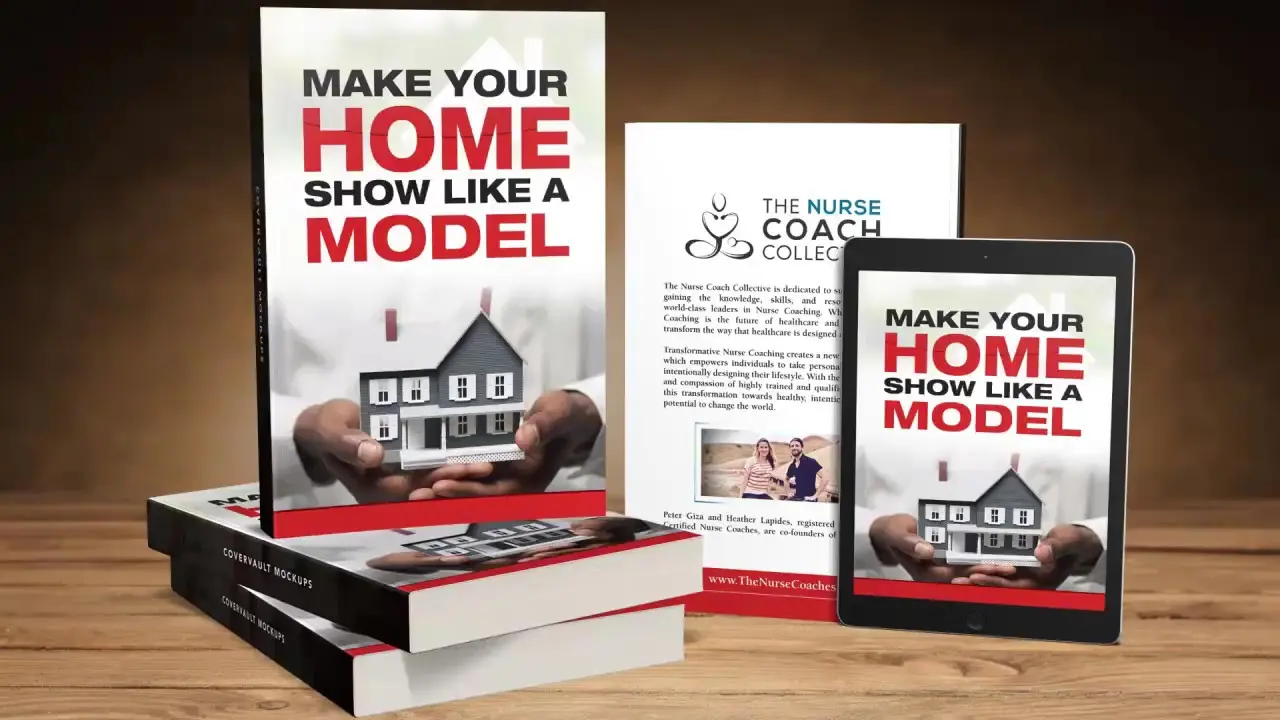
Genre conventions exist because readers use visual cues to identify the books they want. A thriller reader expects something different from the cover than a romance reader. A business book reader expects something different from a memoir reader. Design that ignores these conventions does not stand out, it gets passed over.
Our designers work within genre conventions while building something specific to your book. Before a single concept is created, your designer reviews your manuscript summary, your target audience, your comparable titles, and any visual direction you want to provide. The design comes from your book, not from a template library.

You receive two to three cover concepts based on your brief. Each concept explores a different direction, typography, imagery, color palette, layout. You review them and give feedback. Revisions continue until you approve the final design. There is no cap on revision rounds. The cover is not finished until you are satisfied with it.
This is different from services like Hemingway Publishers and Aspire Book Publishing, where cover design is often a single concept with one or two revision rounds before additional fees apply. We build revision flexibility into every project because we know that cover design is personal and rarely perfect on the first pass.
Thriller & Mystery Dark tones, high contrast, strong typography, and imagery that suggests tension or danger. Readability at thumbnail size is the priority. If your title disappears at 200 pixels wide, the cover is not working.
Romance Warmth, intimacy, and typography that signals the subgenre, contemporary, historical, paranormal. Readers in this category make fast decisions based on cover signals they have learned over hundreds of books.
Business & Self-Help Clean layouts, strong author name placement, and typography that communicates authority. Business readers are buying expertise. The cover should reflect that.
Memoir Personal imagery, approachable typography, and a design that invites the reader into a story rather than positioning a product. Memoir covers earn trust before the reader opens to page one.
Children’s Books Illustration style, color, and character placement carry the entire design. Children’s covers require a different skill set from adult trade publishing, and our designers who work on children’s books specialize in this category.
Literary Fiction & Poetry More creative latitude, but still within conventions that signal the genre to the right readers. Typography often does more work here than imagery.
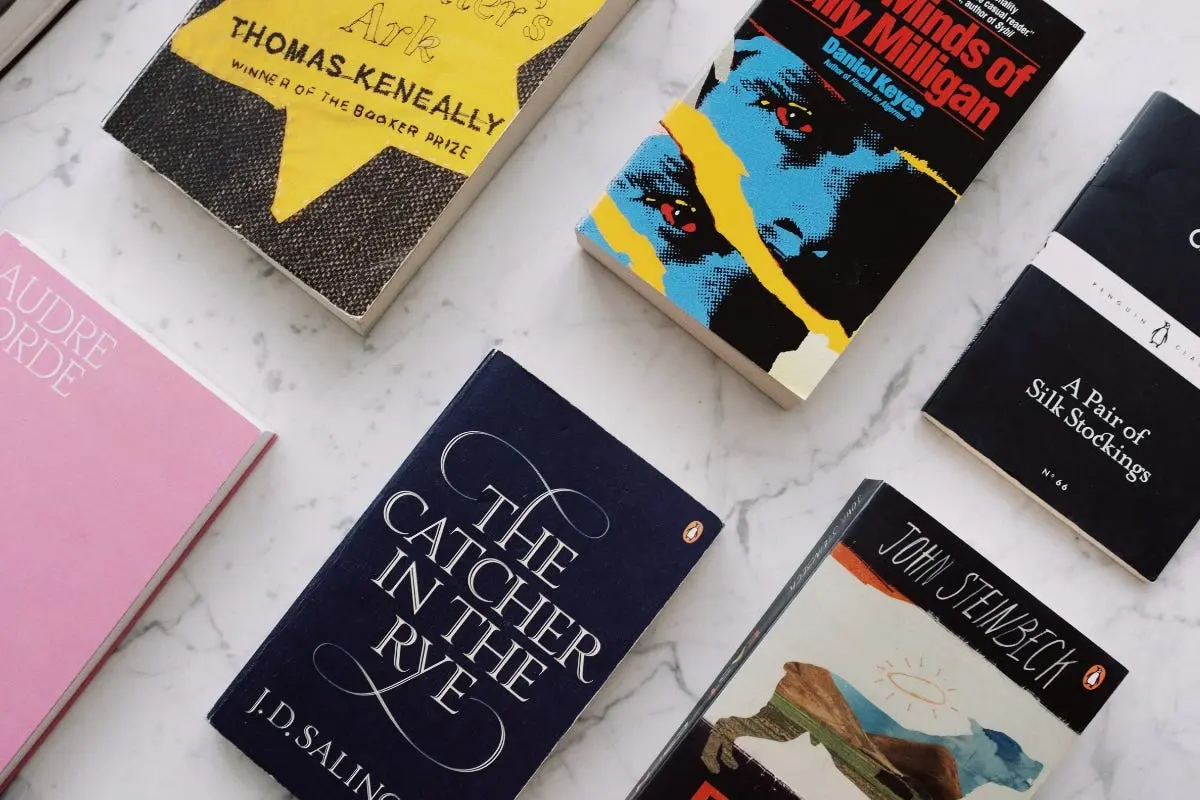
Most authors don’t think about interior formatting until they open a printed proof and something looks wrong. The margins are too narrow. The chapter headings are inconsistent. The page numbers disappear on certain spreads. The font is readable on screen but tiring in print.
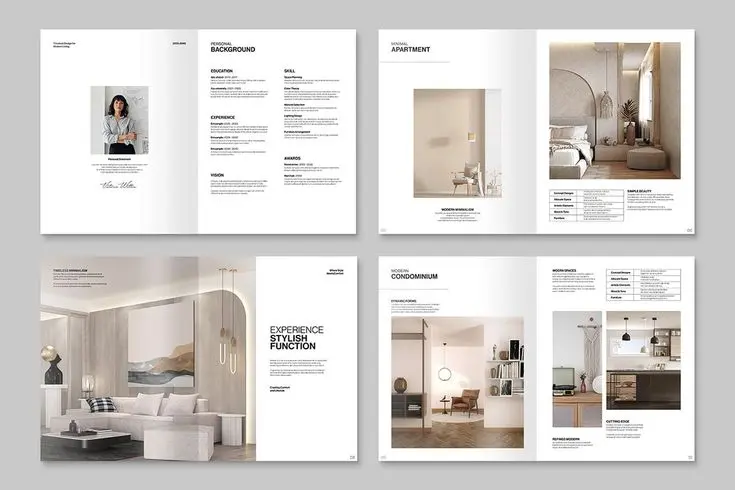
Interior formatting is not just placing your Word document into a template. It is making a series of decisions, about type size, line spacing, margin width, chapter opening design, running headers, page number placement, front matter organization, and back matter layout, that add up to a reading experience that feels professional.
Print requires different specifications than digital. A print interior needs bleed settings, embedded fonts, and resolution-appropriate images. An eBook interior needs reflowable formatting, proper heading hierarchy for e-reader navigation, and clean metadata. We format both from the same manuscript so your print and digital editions are consistent.
We don’t send your manuscript through a single editing pass and call it done. Every manuscript we work on moves through a structured three-step process before it’s cleared for design and formatting.
The trim size of your book affects everything from printing cost to shelf presence. We advise on trim size during the production planning stage based on your genre, page count, and distribution targets.
Common trim sizes we format for:
Our designers have worked across every major genre and publishing format. From debut fiction to illustrated nonfiction, from children’s picture books to business titles, the work speaks for itself.
We are happy to share relevant samples from our portfolio during your consultation. Tell us your genre and we will show you comparable work from projects we have completed.
Not every author needs full design services. If you have design experience and want to format your own interior, we offer free templates for the most common trim sizes. Download, drop in your manuscript, and follow the included formatting guide.
Templates are available for 5″ x 8″, 5.5″ x 8.5″, and 6″ x 9″ trim sizes in both fiction and nonfiction layouts.
Download Free Formatting Templates — Available at no cost, no sign-up required.
Tell us your genre, your manuscript length, and any visual direction you have in mind. We will match you with a designer who has experience in your category and walk you through the process from there.
Request a Free Design Consultation — We’ll review your project and send you a quote within one business day.
See Our Full Pricing & Turnaround Times — Design pricing is listed on our pricing page with no hidden fees.
Call us: 443-247-5514 Email: kevin@digibookstudio.com